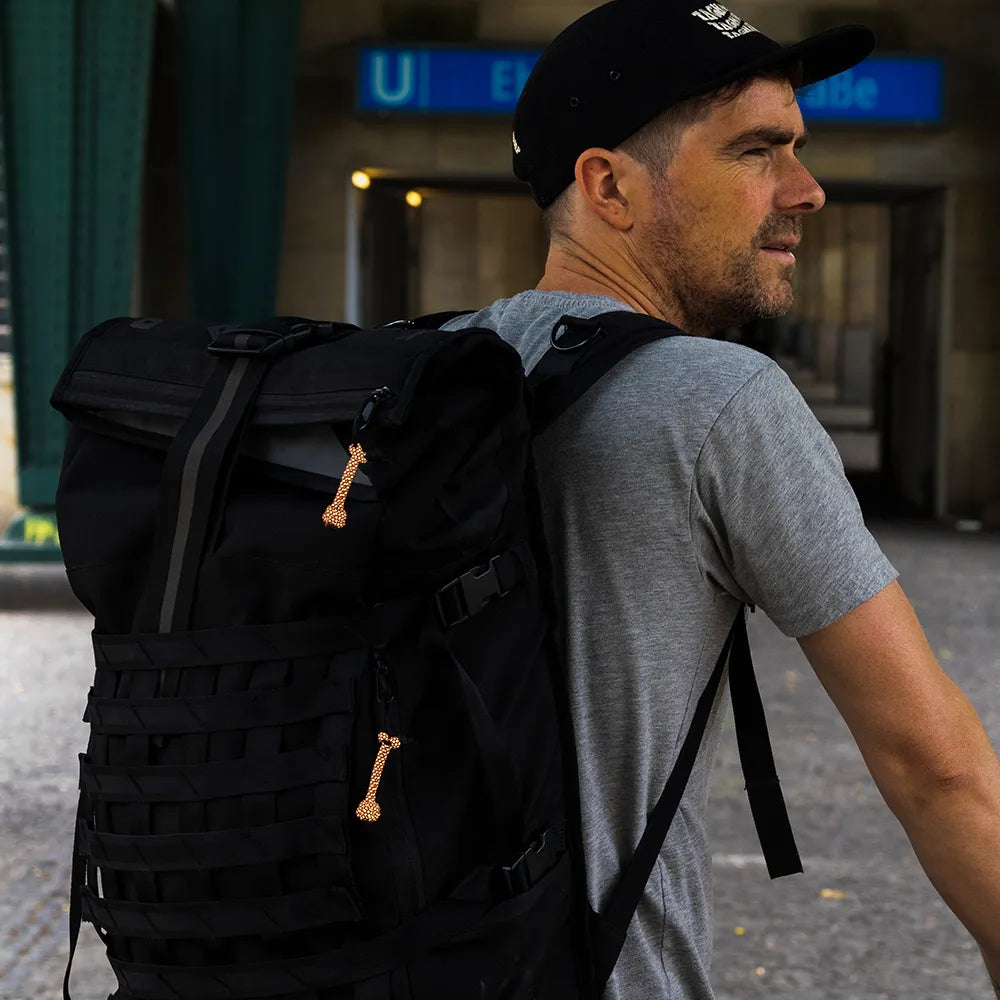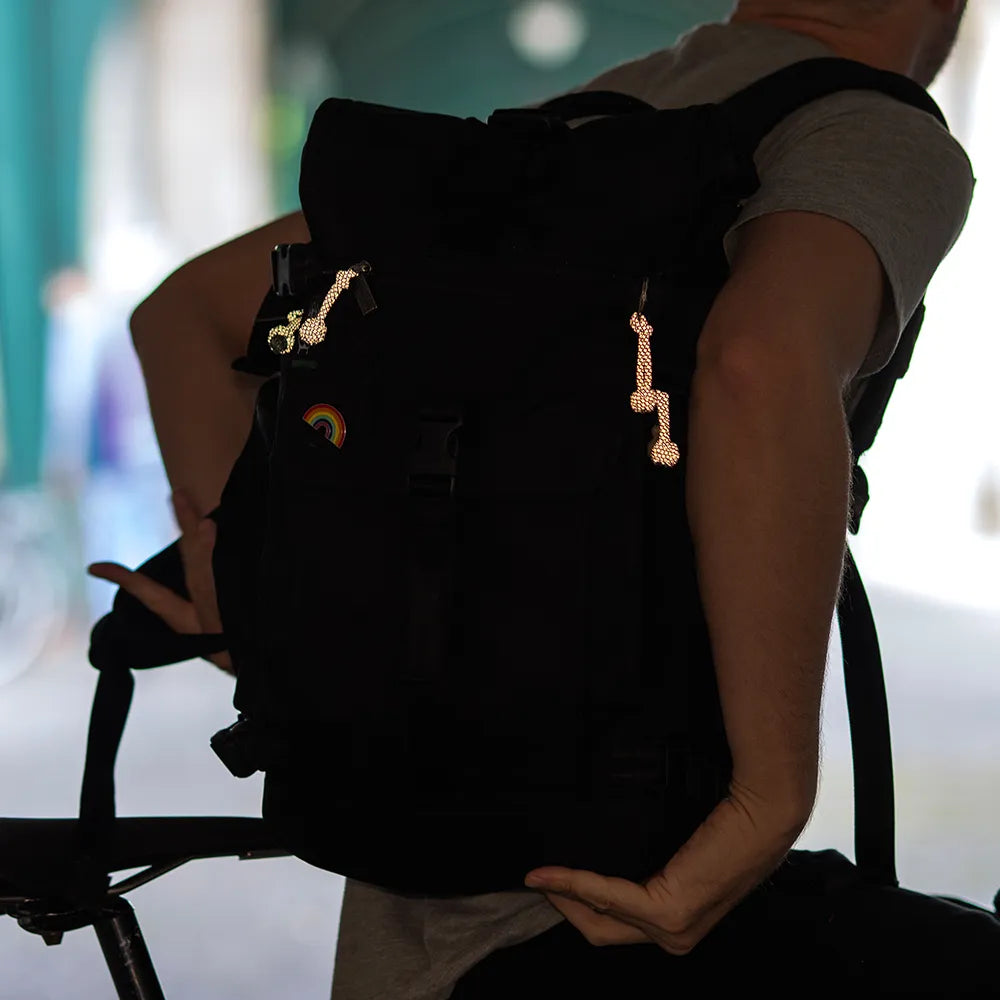


This weekend we'll be voting on which parties will be allowed to shape future policy areas with their platforms. What about the area of mobility? A topic that is very close to our hearts at REFLECTIVE.
A comment from REFLECTIVE Managing Director Eberhard Schilling
The good old days
Since we at REFLECTIVE Berlin are committed to a sustainable transport revolution, we thought that, in view of the upcoming federal elections, it would be worthwhile to take a look at how the political parties position themselves in transport policy and want to shape the mobility of the future.
The general political trend is rather sobering. It celebrates regression, and looking at current polls, this will likely be no different when it comes to transportation and mobility: more cars than bicycles, more roads than railways, more for the elderly than for the young. The "concepts" of conservative programs are oriented towards the "good old days," even though the world today is completely different: interconnected, densely populated, overheated, and with scarce resources.

Once a car owner, always a car owner
After experiencing firsthand in Berlin for the past year that preserving parking spaces is more important than (legally mandated) infrastructure development for bicycles and public transport, we could face the same prioritization of motorized individual transport nationwide: challenging the ban on combustion engines, burying speed limits, maintaining company car subsidies, and halting bicycle path construction.
How does that feel? Like outdated policies in a changing world: We resist the new realities by promoting what has always been so convenient. Even the EU Commission has recognized that cycling is a crucial element in Europe's transport revolution. In its EU Cycling Declaration , the Commission makes concrete demands, from prioritizing cycling infrastructure in urban planning and lowering barriers to switching to cycling to campaigning and promoting the entire sector.

Ideological blinders are not a green monopoly.
Hey, we at REFLECTIVE could of course be happy if the rigid adherence to cars and their increasing encroachment on urban space simultaneously meant that visibility and safety for cyclists didn't lose importance—quite the opposite. But what about the issues that affect everyone? Fair use of space? Noise pollution? Air pollution? CO2 emissions? Road safety?
The ideological stubbornness often attributed to eco-social concepts could therefore be just as easily leveled at conservative accusers, since they insist on maintaining the privileges of a relative minority and refuse solutions that address the challenges of our time: climate change, wealth concentration or equality of opportunity, to name just a few of the biggest.
Bicycles and public transport offer better solutions.
Mobility concepts and transport policy guidelines must be subjected to critical analysis from this perspective. Even with the best intentions, it is truly difficult to consider promoting car traffic at the expense of public transport, rail, and cycling as sensible. Coupled with campaigns against the planned EU-wide ban on combustion engines or promises of tax cuts for high earners, it all seems almost absurd. Especially since there are already scientifically developed, innovative mobility concepts that offer sound, ideology-free guidelines for action.

Safe cycling infrastructure and reliable public transport are crucial factors for social cohesion, climate protection, and economic growth. The automotive industry is a shrinking market; even larger cars with more (electric) horsepower can't mask that. The cycling industry, on the other hand, is a future-oriented sector that offers solutions to many current and future political challenges. Anyone who wants to promote accessible, healthy, and climate-neutral forms of mobility should know where (not) to cast their vote on Sunday.
More courage for a positive vision that has long been a reality elsewhere.
We at REFLECTIVE continue to pursue the vision of a cityscape with more space for cycling and walking, where even those who don't own (or want) a car can feel safe getting from A to B. A living environment designed more for people than for cars. With clean air to breathe and safe routes for sustainable modes of transport that benefit everyone equally. It's already being done elsewhere, so there's no reason why we can't do it too.